
humidity control impact circuit board assembly
Humidity control is a crucial factor in circuit board assembly, significantly impacting the quality, reliability, and longevity of electronic products. Maintaining optimal humidity levels throughout the assembly process is essential to prevent a range of issues that can compromise the performance of the final product. Several key aspects highlight how effective humidity control influences circuit board assembly.
Firstly, excessive humidity can lead to moisture absorption in the circuit board assembly and its components. Printed circuit boards are typically made from materials that can absorb moisture from the environment, such as fiberglass. When these materials absorb moisture, they can swell, warp, or delaminate, leading to dimensional changes that affect component placement and soldering accuracy. Moisture in components can also cause corrosion and oxidation of metal parts, leading to poor electrical connections and potential failures. Controlling humidity levels in the assembly environment helps prevent these issues, ensuring that the boards and components remain stable and reliable.
Secondly, humidity control is vital during the soldering process. Soldering involves the application of heat to create electrical connections between components and the PCB. If moisture is present in the components or the board, it can evaporate rapidly when heated, causing solder to spatter and form poor-quality joints. This phenomenon, known as “popcorning,” can result in weak solder joints and unreliable connections. Maintaining appropriate humidity levels helps ensure that the soldering process proceeds smoothly, producing strong, reliable joints that are essential for the performance and durability of the electronic device.
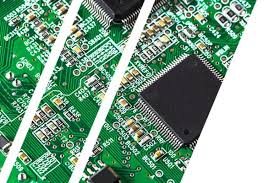
How does humidity control impact circuit board assembly?
Additionally, electrostatic discharge (ESD) is a significant concern in circuit board assembly, and humidity control plays a role in managing ESD risks. ESD can occur when there is a sudden flow of electricity between two electrically charged objects, which can damage sensitive electronic components. Low humidity levels can increase the likelihood of static electricity buildup, as dry air is a poor conductor and allows static charges to accumulate. By maintaining optimal humidity levels, typically between 40% and 60%, the risk of static electricity and ESD can be minimized, protecting sensitive components from damage.
Furthermore, humidity control is essential for the proper storage of components and PCBs. Components stored in high-humidity environments can degrade over time, with moisture causing corrosion and other forms of deterioration. Moisture-sensitive devices (MSDs) are particularly vulnerable and often come with specific storage requirements to prevent moisture absorption. Proper humidity-controlled storage environments, including the use of desiccants and moisture barrier bags, ensure that components remain in optimal condition until they are used in the assembly process.
Moreover, conformal coatings and other protective measures applied to PCBs after assembly can be affected by humidity levels. These coatings are used to protect the finished circuit boards from environmental factors such as moisture, dust, and chemicals. If the humidity is too high during the application of these coatings, it can lead to poor adhesion and curing, reducing the effectiveness of the protection. Ensuring controlled humidity levels during this phase helps achieve proper coating application and curing, thereby enhancing the protection and longevity of the finished product.
In addition, humidity control can impact the accuracy of testing and inspection procedures in circuit board assembly. Testing processes, such as in-circuit testing (ICT) and functional testing, require stable environmental conditions to produce accurate results. High or fluctuating humidity levels can affect the performance of test equipment and the behavior of the circuit boards being tested. Maintaining stable humidity levels ensures that testing and inspection processes yield reliable data, facilitating the identification and correction of any defects before the products are shipped to customers.
In conclusion, effective humidity control is integral to the circuit board assembly process, influencing various stages from component storage and soldering to testing and final coating. By maintaining optimal humidity levels, manufacturers can prevent moisture-related issues, reduce the risk of ESD, ensure high-quality solder joints, and achieve reliable testing outcomes. Proper humidity management enhances the overall quality, reliability, and longevity of electronic products, contributing to their success in the market.