
PCB Manufacturing
What separates an electronic device that merely works from one that operates flawlessly for years? It’s the magic of engineering expertise meeting meticulous quality control methods. These unheralded forces guarantee that everything from your smartphone to medical devices work properly. The best PCB contract manufacturers rely on the 8 quality controls discussed below to deliver superior products.
Using an X-ray inspection method helps detect defects that cannot be seen with the naked eye, including soldering issues, missing components, and voids. This non-destructive process is especially useful when working with high-tech components, such as BGAs.
Poor solder joints can lead to unstable connections and device failure, affecting performance and longevity. To avoid these issues, the fab and assembly processes must follow strict standards for soldering and component placement. For instance, IPC-A-600 establishes a comprehensive set of standards for proper soldering practices.
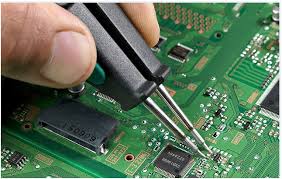
8 PCB Manufacturing Quality Controls
A faulty alignment can cause short circuits, open circuits, or mechanical stress on the board. To ensure proper alignment, pcb manufactures must be inspected for loose or missing components, and their positions should be consistent. To do so, assembly employees must use the same test equipment and follow the same test methods.
Traces are the electrical pathways on a PCB, and they must be inspected for insufficient trace width or breaks. These defects interfere with the flow of electricity, leading to malfunctions and potentially fatal device failures. To avoid them, a CM must ensure that the copper that emerges in the final product covers all of its intended areas.
Before a PCB can be shipped to a client, it must undergo a thorough functional test to make sure that it works as intended. This step involves powering the PCB, ensuring that it has all of its parts in place, and running through a series of tests to see whether the board behaves as expected.
When choosing a PCB fab and assembly manufacturer, look for an IPC-Certified (IPC) CM that trains shop floor employees in the proper test methods and follows IPC-A-600. It should also have robust testing equipment to prevent faulty products from entering the market, and a team that is committed to producing quality products.
A well-trained workforce is critical for handling urgent orders. Experienced engineers and technicians can quickly identify and resolve potential issues during production. Manufacturers often employ specialized teams to oversee time-sensitive projects, ensuring that quality and precision are not compromised.
A reliable PCB CM will have the ability to scale production and offer reasonable lead times, helping clients manage their inventory levels and avoid production delays. It should also prioritize domestic sourcing to mitigate risks associated with international trade, such as geopolitical tensions and regulatory changes. This is particularly important for businesses that require a stable flow of critical components, such as healthcare and telecommunications. In addition to these considerations, a reputable CM will be able to provide accurate product data that reduces the time needed to create a prototype. This will help to ensure a fast and efficient PCB turnaround, which is necessary for timely project completions.