
Governance Risk Compliance
Governance risk compliance (GRC) is a multi-disciplinary process to help prevent fraud and keep companies safe. It’s not a magic bullet, but when done well, it can protect your company from costly incidents that hinder achievement of core business goals. This is why it must be prioritized and supported by management – and the board if necessary.
Fraud is everywhere and takes many forms. Whether it’s a Bernie Madoff-style investment scheme or an internal embezzlement, the consequences are costly: according to PwC’s report “Financial crimes observer,” bank fraud alone costs businesses 5% of their revenues. Those losses include lost customer trust, lost revenue, operational inefficiencies and, perhaps most importantly, reputational damage.
Despite its prevalence, the truth is that fraud is almost always preventable. It can be avoided if an organization has a clear strategic vision along with precise operational measures that can detect and mitigate the risk of fraud, security lapses and regulatory non-compliance. Increasing complexity and higher accountability have driven enterprises to pursue a range of grc governance risk compliance initiatives across the business. But, often these activities are planned and managed in silos, which can lead to redundancies and duplications of effort.
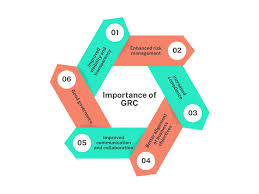
How Can Governance Risk Compliance Help Prevent Fraud?
To avoid these risks, clear governance is essential – providing structure and creating consistency. This includes clear roles and responsibilities, reducing overlaps, improving resource allocation, and ensuring that all activities are aligned to core business objectives. It is also a foundation for strong, ethical culture.
Effective grc governance risk compliance requires the coordination of diverse functions within the organization – including internal audit, legal, risk, HR, IT and lines of business – as well as the executive suite. This holistic approach to GRC helps ensure that the full picture of potential risk is captured and enables organizations to make more informed, data-driven decisions.
In addition, strong GRC also requires a consistent, rigorous risk and compliance assessment framework. This ensures that the entire enterprise is regularly assessed, and that a thorough understanding of the risks faced by each function, division or region of the business is maintained. This framework also provides an opportunity to identify gaps or areas of weakness and to address them through appropriate remediation actions.
Finally, effective GRC is supported by robust and integrated technology that can manage and monitor all aspects of governance, risk and compliance. This enables the automation of manual processes, improved workflows and a single source of truth for risk and compliance management. Combined with artificial intelligence and advanced or augmented analytics, this powerful technology can support better and more effective decision-making in GRC processes, improve the effectiveness of compliance monitoring and control testing, minimize risks and fraud and deliver measurable, sustainable benefits to the business.
Integrated GRC technology should incorporate the latest tools to fight the ever-changing threat of cybercrime. This includes robotic process automation, machine learning and blockchain technologies – all of which allow for more efficient, accurate and proactive detection of fraud, security lapses, and regulatory non-compliance. These capabilities can help to minimize the risk of financial loss, business disruption, reputational damage and regulatory sanctions by enabling more rapid and comprehensive assessment and remediation of issues.