
Coating in Custom PCB Fabrication
The primary function of coating is to protect PCBs from the elements that can cause them harm. It helps shield them from things like fungus, moisture, salt spray, and corrosion. This is especially important when working with electronics, which are often used in environments with harsh conditions and a wide range of temperatures. Conformal coating and potting/encapsulation are advanced protection methods that help PCBs retain their original functionality in harsh environments.
A conformal coating is a thin film that adheres to the surface features of a printed circuit board (PCB). This allows it to protect them from environmental stress and other factors that can negatively impact their performance.
For example, it keeps dirt and other contaminants away from important components on the board such as solder joints and wires. It also helps manage temperature changes by reducing the effects on electrical paths. In addition, it acts as a thermal stabilizer and helps prevent hotspots from developing on the surface of the custom pcb fabrication.
When selecting a conformal coating for your electronic, there are several different options that vary by resin composition. The best option for you will depend on the operational environment where your PCB will be used. For example, acrylics offer competitive prices with good moisture and fungus protection. However, they do not have the ability to withstand high temperatures and industrial conditions. Epoxy, on the other hand, is a two-part formulation with excellent heat, abrasion, and humidity resistance. Urethane and silicone offer superior flexibility and chemical resistance. However, they are difficult to rework on and may leave a mark or peel when removed.
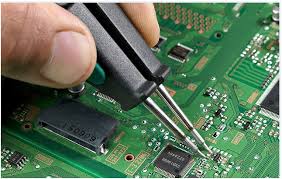
The Role of Coating in Custom PCB Fabrication
It is also important to understand that the coating should not be too thick, as it can interfere with the integrity of the copper layer of the PCB. The proper thickness should be 3-8 mils. This can be measured using instruments like current gauges.
After the conformal coating is applied, it’s time for a battery of electrical tests to ensure that the assembly is functioning correctly. This includes a series of circuit continuity and isolation tests. It is essential that these tests follow IPC-9252 guidelines and requirements to avoid any issues with connectivity.
The conformal coating can also reduce mechanical stress on the internal circuits of a PCB, which can pull on the solder joints and cause them to disconnect from each other. This can be a significant issue that could have serious consequences for the overall performance of the electronic. The conformal coating can protect the connections and keep them from getting pulled by mechanical stress, which improves the overall performance of the assembly.
In general, conformal coatings are a good choice for PCBs that will be exposed to abrasion and chemicals, as they offer great chemical and abrasion resistance. If your PCB will be subject to regular mechanical stress, a more flexible conformal coating such as urethane or silicone is recommended. Alternatively, if your PCB will be immersed in liquids, parylene is an excellent choice that offers both flexibility and electrical insulation.