
cost of a gravity pipe
The cost of a gravity pipe depends on various factors, including material, size, and intended application. Gravity pipes are widely used for drainage, sewage, and water transportation systems, making them an essential part of infrastructure projects. Prices can vary based on whether the pipe is made of PVC, HDPE, concrete, or metal, as well as the length and diameter required for the project. Additionally, costs may fluctuate depending on whether the pipe is purchased from a local supplier, an online marketplace, or directly from a manufacturer.
One of the most affordable options for a gravity pipe is PVC, which is lightweight, corrosion-resistant, and easy to install. The price of PVC gravity pipes typically ranges from $5 to $50 per meter, depending on the diameter and thickness. HDPE (high-density polyethylene) pipes are slightly more expensive but offer increased flexibility and durability, making them suitable for demanding environments. Concrete pipes, on the other hand, are widely used for large-scale drainage systems and can cost anywhere from $50 to $500 per meter, depending on their size and reinforcement features.
Purchasing a gravity pipe in bulk from wholesale suppliers or manufacturers can significantly reduce costs. Online platforms like Global Sources, Alibaba, and industry-specific suppliers offer gravity pipes at factory prices, similar to how wholesale gravity bong products are sold in bulk. Buyers can compare different materials, sizes, and suppliers to find the most cost-effective option. Just as gravity bongs are available from verified manufacturers in China, India, and Korea, gravity pipes can also be sourced internationally to take advantage of competitive pricing and direct factory deals.
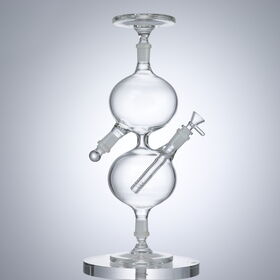
What is the cost of a gravity pipe?
Installation costs should also be considered when calculating the total expense of a gravity pipe system. While PVC and HDPE pipes are relatively easy to install due to their lightweight properties, concrete and metal pipes require specialized equipment and labor. Excavation, trenching, and proper alignment are necessary to ensure the system functions efficiently. In some cases, additional costs may arise for fittings, connectors, or protective coatings, especially if the pipes need to be installed in corrosive environments.
Similar to how a gravity bong relies on the force of gravity for an efficient smoking experience, a gravity pipe system depends on proper slope and design for optimal fluid movement. Both systems emphasize functionality and material selection, which directly impact cost and performance. A high-quality gravity bong made from durable materials ensures longevity, just as a well-chosen gravity pipe provides long-term efficiency and reliability in fluid transport.
For those seeking cost-effective options, comparing prices from multiple suppliers, considering bulk purchases, and selecting the right material for the application can help reduce overall expenses. While initial investment costs may vary, a properly installed gravity pipe system offers long-term savings by minimizing maintenance and energy costs. Whether for construction, sewage, or industrial use, finding a gravity pipe that balances affordability and durability is essential for ensuring an efficient and sustainable system.